+86 15093323284 hams@ailunce.com




How to Use a Ham Radio: Your Friendly Guide to Connecting the World with RETEVIS
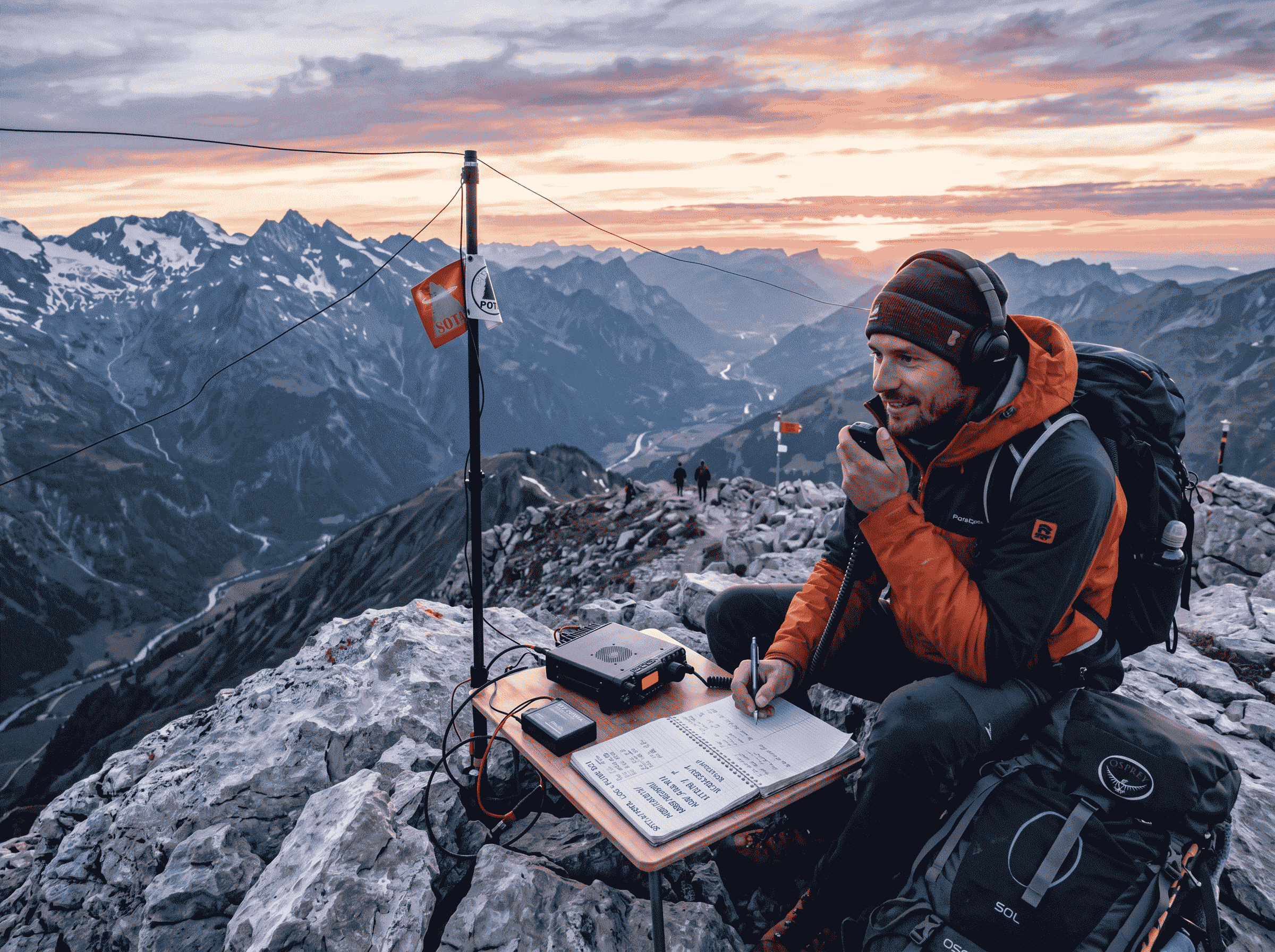
Hey there, future Ham! Ever thought about chatting with someone across the globe, or helping out in an emergency when the internet and cell phones are down? That's the amazing world of Ham Radio, also known as Amateur Radio. You might be wondering, "are ham radios still used?" or "do people still use ham radios?" Absolutely! Even in our super-connected digital age, Ham Radio is buzzing with activity. It's a unique blend of old-school tech, self-reliance, and a truly global community that's always ready to lend an ear or a hand.
Here at RETEVIS, we love helping people discover the sheer joy of connecting through the airwaves. This guide is all about how to use a ham radio, from those first nervous steps to exploring some really cool advanced stuff. Think of it as a friendly chat over coffee, where we'll share some tips and tricks to get you started with your RETEVIS or Ailunce radio.
Taking the First Step: Your Ham Radio Journey
Starting out in Ham Radio is an adventure, and like any good adventure, it begins with a few preparations.
1. Getting Licensed: Your Ticket to the Airwaves
First things first: you'll need a license to transmit. Don't let that scare you off! It just means you'll learn the basics of how radios work, the rules of the airwaves, and how to be a good neighbor on the frequencies. In many places, there are different license levels – like Technician, General, and Extra in the US – each opening up more bands and possibilities. It's a learning curve, but a fun one!
- Where to Learn:Websites like org are fantastic for free practice tests, and organizations like the ARRL offer great study materials to help you prepare.
2. Picking Your First Radio: Meet Your RETEVIS Companion
For most newcomers, a handheld radio (HT) is the perfect starting point. They're portable, easy to use, and great for getting familiar with local repeaters. When you're looking for a reliable and user-friendly HT, RETEVIS radios are a solid choice. They're built to be dependable and offer great value as you learn how to operate a ham radio.
Now, if you're keen on diving deeper into the technical side, especially digital modes, you'll want to meet Ailunce. Ailunce is our specialized Ham Radio brand under RETEVIS, designed for enthusiasts who want more advanced features and performance. Whether it's a straightforward RETEVIS HT or a more specialized Ailunce, we've got a radio that's just right for your journey.
3. Basic Operation & "Airwave Etiquette"
Learning how to use a ham radio isn't just about pushing buttons; it's about joining a community with its own friendly customs. Think of it like learning the unspoken rules of a new club:
- Listen First:Before you transmit, always listen on the frequency for a few minutes. It's polite to make sure you're not interrupting an ongoing conversation.
- Your Call Sign:This is your unique ID on the air. Always use it at the beginning and end of your conversations, and every ten minutes or so during a longer chat.
- Q-Codes & Phonetic Alphabet:These are handy tools for clear communication. Q-codes (like QTH for "my location") are quick shortcuts, and the phonetic alphabet (Alpha, Bravo, Charlie) helps spell out tricky words or call signs when signals are weak.
- RST Report:This is how you tell another station how well you're hearing them:
- R (Readability):From 1 (unreadable) to 5 (perfectly clear).
- S (Signal Strength):From 1 (barely audible) to 9 (super strong).
- T (Tone):This one's mostly for Morse Code signals.
Don't Be Shy! Conquering "Mic Fright"
So, you've got your license, your shiny new RETEVIS radio, and you're ready to talk. But then, you hesitate. That little voice in your head says, "What if I mess up?" This is what we affectionately call "mic fright," and trust me, almost every Ham operator has been there! It's totally normal to feel a bit nervous about making your first transmission.
Your "Ice-Breaker" Toolkit
Here's how to ease into it and make that first contact with confidence:
- Listen, Listen, Listen:Spend some time just listening to conversations on local repeaters. You'll get a feel for the flow, the language, and how people interact. It's like eavesdropping in a friendly way!
- Have a Little "Cheat Sheet":Write down a simple script of what you want to say. It takes the pressure off. Here’s a basic example for a local repeater:
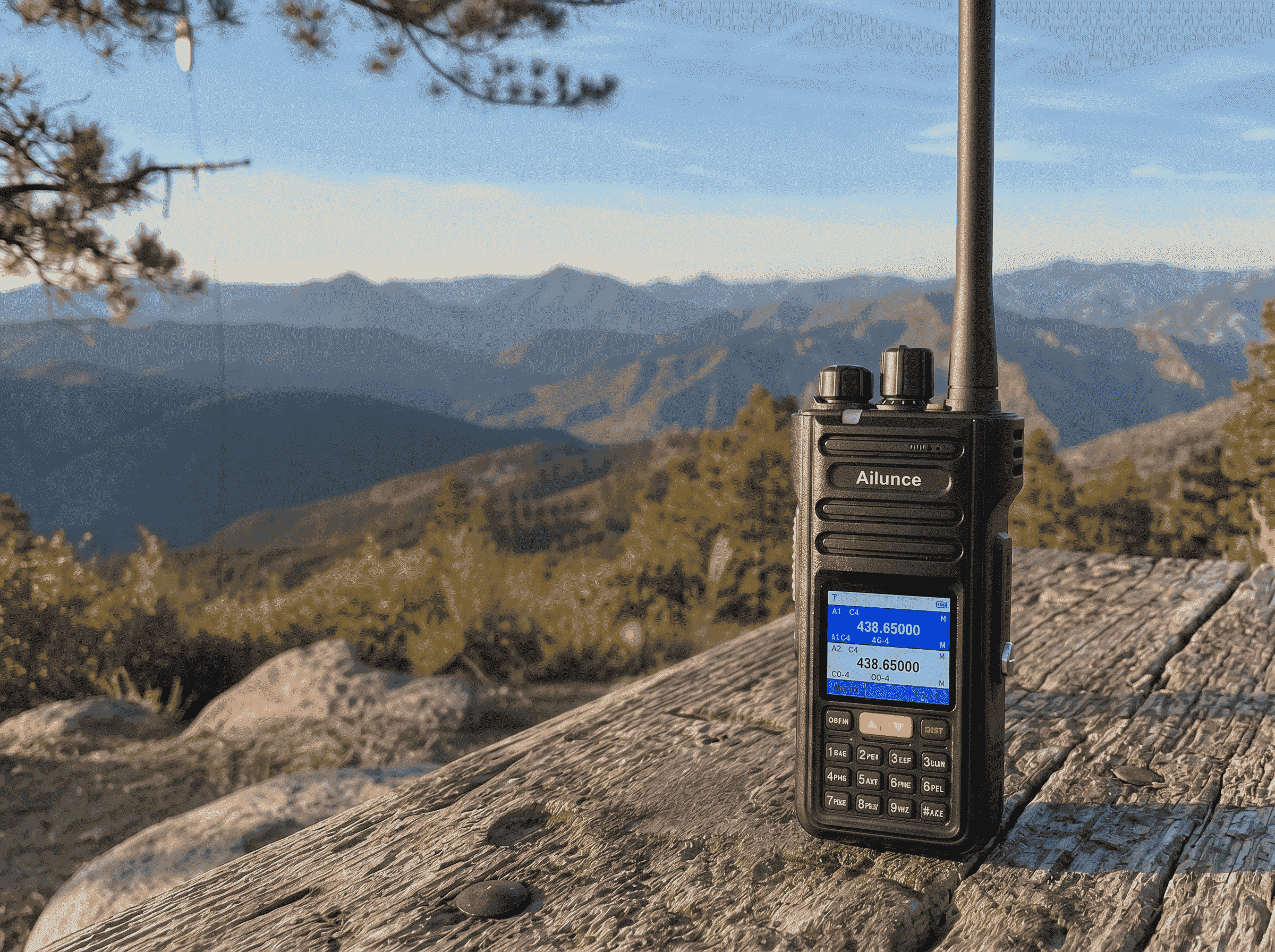
"This is [Your Call Sign], listening." (Pause and listen for a response)
(If someone replies):
"[Their Call Sign], this is [Your Call Sign]. Good afternoon! You're coming in loud and clear, a 5 and 9, here in [Your Location]. I'm using a RETEVIS handheld. My name is [Your Name]. How do you copy?"
(After your chat, to sign off):
"Thanks for the QSO, [Their Call Sign]. This is [Your Call Sign], clear and 73!"
- Start Simple:Your first goal isn't a deep philosophical debate. Aim for a quick signal report or a friendly "hello." The Ham community is incredibly welcoming and supportive of newcomers. We've all been there, and we're happy to help you get comfortable!
Stepping Up: Exploring the Wider World of Ham Radio
Once you're comfortable with local chats, a whole universe of ham radio use opens up. Your RETEVIS or Ailunce radio can be your trusty companion on these exciting journeys.
1. Digital Modes: Bridging to the Future
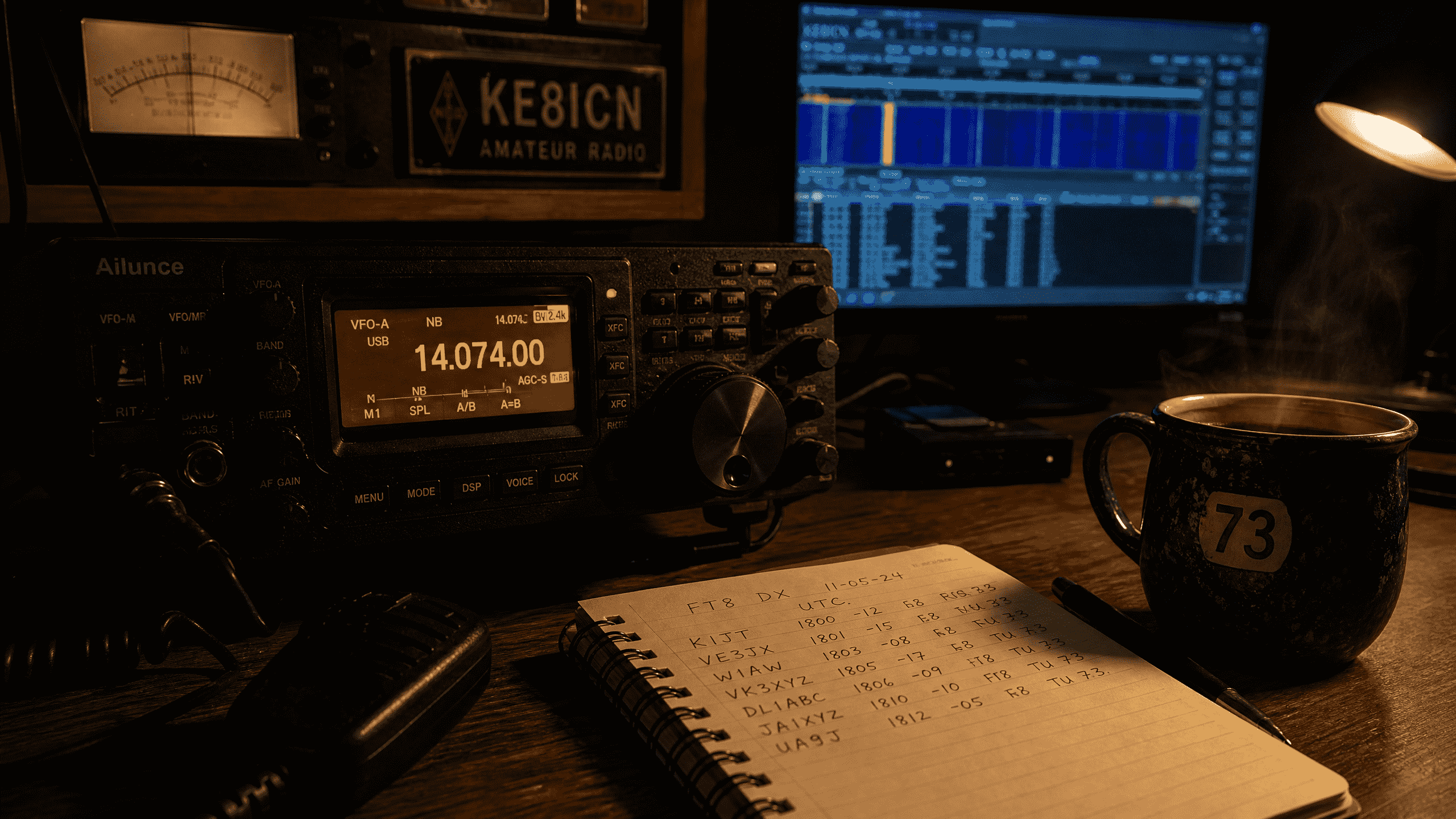
Digital modes like FT8 and DMR are changing how to operate a ham radio. They let you communicate even when signals are super weak, and offer new ways to connect.
- FT8:Imagine making contacts across continents with just a few watts of power! FT8 uses special software like WSJT-X and your computer to decode tiny signals. The secret sauce? Keeping your computer's clock perfectly synchronized!
- DMR:Digital Mobile Radio gives you crystal-clear voice quality and cool features like "talk groups," letting you chat with specific groups of people worldwide. Many of our Ailunce radios are designed specifically for DMR, making it easy to jump into this modern side of Ham Radio.
2. Outdoor Adventures: Taking Your Radio Outside!
Love hiking or camping? Then you'll love POTA (Parks on the Air) and SOTA (Summits on the Air)! These activities involve setting up your portable station in a park or on a mountain top and making contacts. It's a fantastic way to combine your love for the outdoors with ham radio use. The compact and robust design of RETEVIS handhelds makes them perfect for these adventures.
3. Antennas: The Magic Wand for Your Signal
Your radio is smart, but your antenna is its voice and ears. A good antenna makes a huge difference in how to operate a ham radio effectively. Here's a little secret: the height and placement of your antenna are often more important than how much power your radio puts out!
- DIY Antennas:Many Hams enjoy building their own antennas. Simple wire antennas like a dipole or a Slim Jim (great for VHF/UHF) are fun projects. You can find calculators and guides online, like those from M0UKD Antenna Labs, to help you get started.
- Coaxial Cable:Don't overlook your coax! For longer runs or higher frequencies, investing in good quality cable (like LMR-400 or RG-8U) means more of your signal actually reaches the antenna, and less gets lost along the way.
Join the Club: Your Ham Radio Community Awaits
One of the absolute best parts of Ham Radio is the community. You'll find friendly folks and a wealth of knowledge just waiting to be shared:
- Local Clubs:Find an amateur radio club near you. They often offer licensing classes, technical advice, and the chance to find an "Elmer" – that's what we call an experienced Ham who loves to mentor newcomers. It's invaluable!
- Online Hangouts:Websites like com, eHam.net, and the r/amateurradio subreddit are fantastic places to ask questions, share your experiences, and stay updated on all things Ham.
At RETEVIS and Ailunce, we're proud to be part of this amazing community, providing reliable and innovative radios that help you explore every corner of ham radio use.
Wrapping Up: Your Ham Radio Journey Starts Now!
From making your first local contact to reaching distant lands with digital modes, how to use a ham radio is a journey of continuous learning and endless fun. It's a hobby that sparks curiosity, connects you with fascinating people, and equips you with valuable skills that can even be life-saving. So, whether you're just dipping your toes in or ready to dive deep, grab your RETEVIS or Ailunce radio, get licensed, and jump onto the airwaves. The world is waiting to