+86 15093323284 hams@ailunce.com




Ham Radio Emergency: Why NOAA Weather Radio Matters
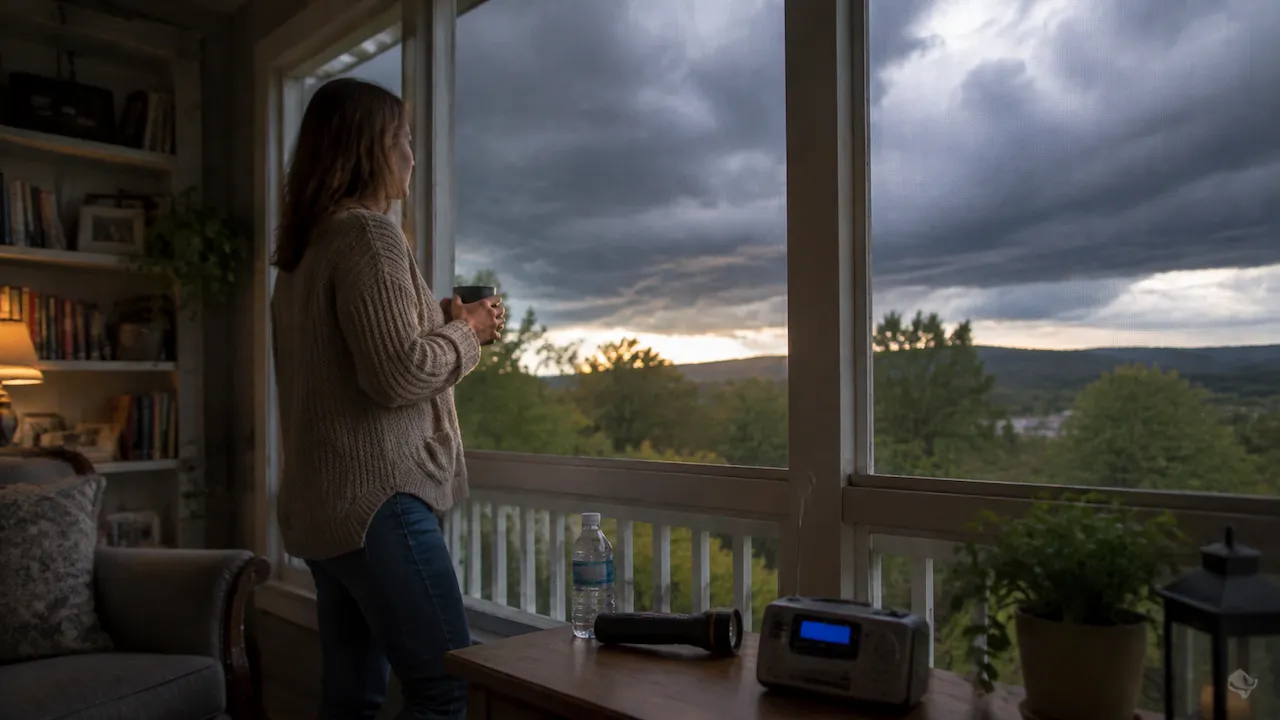
 When the Grid Fails, Who Tells You What's Coming?
On August 29, 2021, Hurricane Ida slammed into Louisiana as a Category 4 storm. Winds hit 150 mph. More than a million customers lost power within hours. New Orleans went completely dark.
Cell towers failed. 911 centers in multiple parishes went offline. Families couldn't reach each other.
But something remarkable happened. Amateur radio operators sprang into action.
In Mississippi, the Amateur Radio Emergency Service (ARES) deployed 14 field operators. They relayed damage reports to local news stations when no other communication worked. In Tulsa, Oklahoma, ham operators monitored frequencies to pass "we're okay" messages between separated families.
This is the reality of modern disasters: when infrastructure fails, radio waves don't.
And if you own a VHF handheld or mobile ham radio, you already have access to one of America's most critical emergency information sources—NOAA Weather Radio.
What Is NOAA, Exactly?
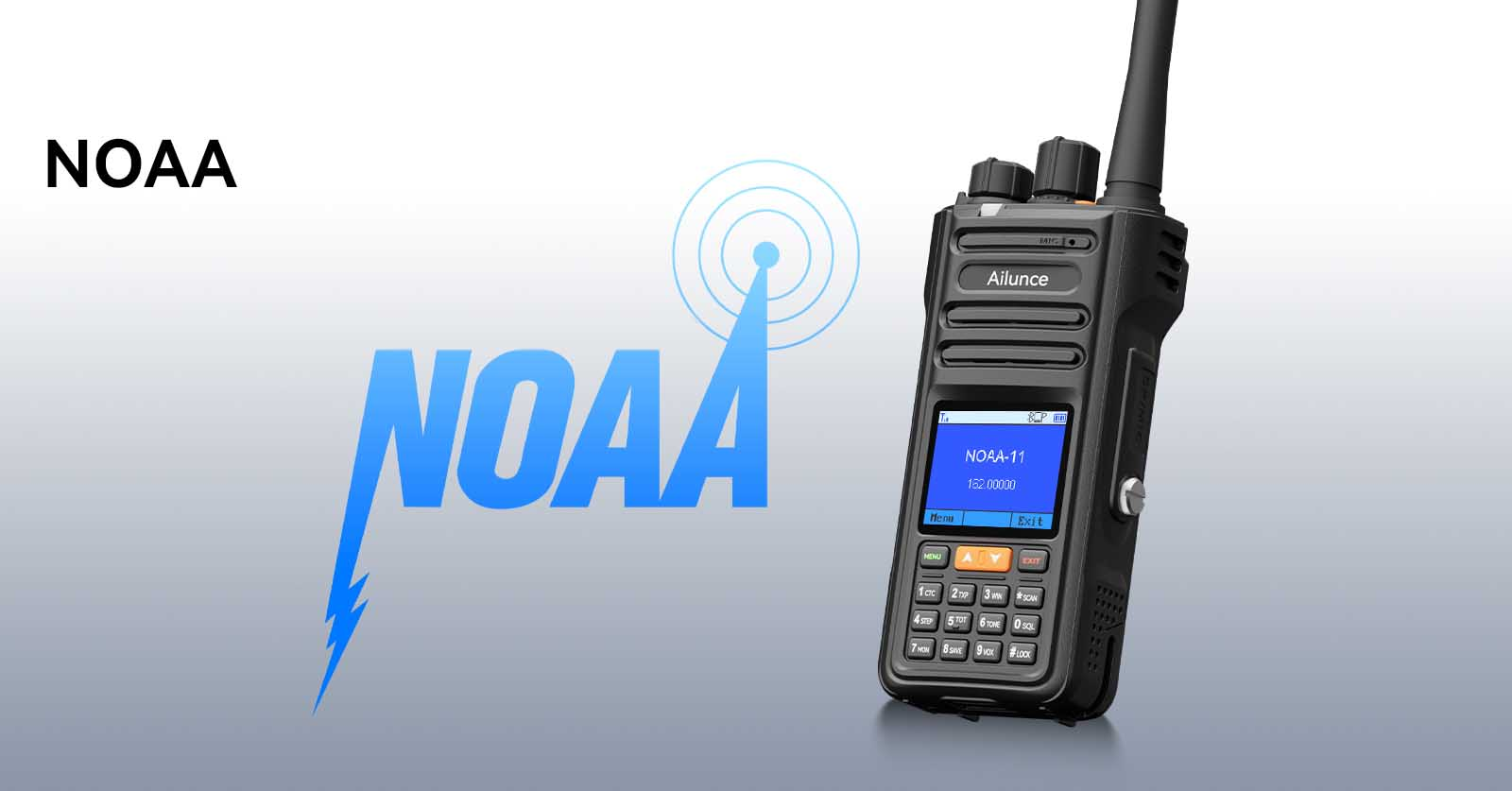
NOAA stands for the National Oceanic and Atmospheric Administration. This U.S. government agency monitors weather, oceans, and climate.
Among its many functions, NOAA operates NOAA Weather Radio (NWR). This is a nationwide network of radio stations that broadcast continuous weather information 24/7.
Here's what makes NOAA Weather Radio special:
- Free: No subscription, no fees, no account required
- Reliable: Transmitter sites have backup power and operate during disasters
- Comprehensive: Covers approximately 95% of the U.S. population
- Always on: Broadcasts weather forecasts, warnings, and hazard information around the clock
The service operates on seven VHF frequencies between 162.400 MHz and 162.550 MHz. Most ham VHF radios can receive these frequencies.
What Information Can You Get From NOAA Weather Radio?
At first glance, it may sound like NOAA Weather Radio only provides simple forecasts. In practice, it can deliver several types of information that matter before and during severe weather.
This includes routine local forecasts, which are useful for travel planning, outdoor activities, or understanding changing conditions. It also includes more urgent alerts, such as severe thunderstorm warnings, tornado warnings, flash flood alerts, hurricane-related information, winter storm warnings, and other hazard notices.
The value is not just in hearing the message. It is in understanding what that message tells you.
A forecast may help you rethink a road trip, a hiking plan, or event timing. A severe weather warning may tell you to prepare sooner rather than later. A flood alert may matter even if the sky above you still looks calm. A hazard bulletin may clarify that the risk is local, immediate, and evolving.
In other words, NOAA does not simply provide audio. It provides context that can shape safer decisions.
Why NOAA Matters in Emergencies
The real emergency value of NOAA comes from what it supports before, during, and after severe weather.
Early warning matters
Many weather-related emergencies become more dangerous because people react too late. They underestimate the speed of a storm, the seriousness of a warning, or the relevance of changing local conditions. NOAA helps reduce that delay by making official information available quickly and consistently.
Situational awareness improves preparedness
Preparedness is not only about equipment. It is also about awareness. If you know what conditions are developing, you can make better decisions about movement, shelter, communication readiness, and whether to monitor additional channels more closely.
This is especially relevant for radio users, because awareness helps you decide when communication may become more important.
It provides another source of official information
Most people now receive alerts through phones, apps, and the internet. Those tools are extremely useful. But radio adds another path for receiving official information directly.
Why This Matters When Everything Else Fails
|
Normal Times |
Disaster Times |
|
Smartphone weather apps |
Cell towers overloaded or destroyed |
|
TV news |
No power, no cable |
|
Internet |
Infrastructure damaged |
|
Social media |
Depends on all of the above |
|
NOAA Weather Radio |
Independent transmitters with backup power keep broadcasting |
During Hurricane Ida, Entergy reported that all eight transmission lines serving New Orleans went offline. Some areas remained without power for weeks. Yet NOAA's weather radio transmitters—designed with redundancy and emergency power—continued functioning.
This isn't about fear-mongering. It's about understanding a simple truth: information is survival infrastructure. Knowing that a tornado is forming 15 miles west, or that flash flooding hits your area in 30 minutes, can save your life.
From Receiving to Participating: The Ham Advantage
Here's where your ham license becomes more than a hobby.
Receiving NOAA weather information is passive. Anyone with a $30 weather radio can do it. But as a licensed amateur radio operator, you can go further.
Skywarn: Eyes on the Ground
The Skywarn program trains volunteers to report severe weather directly to meteorologists. The National Weather Service runs this program.
When a trained spotter reports "funnel cloud developing at Highway 12 and County Road 5," that information feeds directly into warning decisions.
Ham operators form the backbone of Skywarn because:
- We already have the equipment
- We understand radio discipline
- We can relay reports when phone lines fail
ARES/RACES: Organized Emergency Communications
The Amateur Radio Emergency Service (ARES) and Radio Amateur Civil Emergency Service (RACES) are organized networks of ham volunteers. They train specifically for disaster response.
During Hurricane Ida, ARES teams in Mississippi established communication networks. They passed damage assessments to emergency operations centers when no other method worked.
The Neighborhood Information Hub
Perhaps most importantly: when your neighbors' phones die and they can't check the weather, you become the information source. A simpleVHF radio with NOAA capability transforms you from a passive victim to an active resource.
Your Action Plan: Start Today
If you're a new ham (or thinking about getting licensed), here's your practical path forward.
Step 1: Verify Your Equipment (Today)
- Check if your VHF radio has NOAA weather channels (look for "WX" button or menu option)
- Find your local NOAA transmitter frequency using the NOAA Weather Radio station list
Step 2: Get Involved (This Month)
- Join your local ham club: Almost every club has members involved in emergency communications
- Take Skywarn training: Many NWS offices offer free classes, both in-person and online. Find your local program at weather.gov/skywarn.
- Contact your local ARES/RACES leadership: Introduce yourself and ask about upcoming training
Step 3: Practice and Prepare (Ongoing)
- Test reception: Learn how well your equipment receives NOAA signals from different locations
- Participate in drills: Events like ARRL Field Day simulate emergency operations
- Build go-kits: Prepare a portable radio setup with backup power for actual emergencies
The Bottom Line
That radio sitting on your desk isn't just for chatting about antennas with someone three states away. It's a lifeline.
It's for receiving critical information when everything else fails. It's for becoming the person your community depends on when the next storm hits.
The hurricane will come. The power will fail. The question is: will you be ready to listen, and ready to help?