+86 15093323284 hams@ailunce.com




How to Get Scouts on the Air: A Path to New Ham Operators
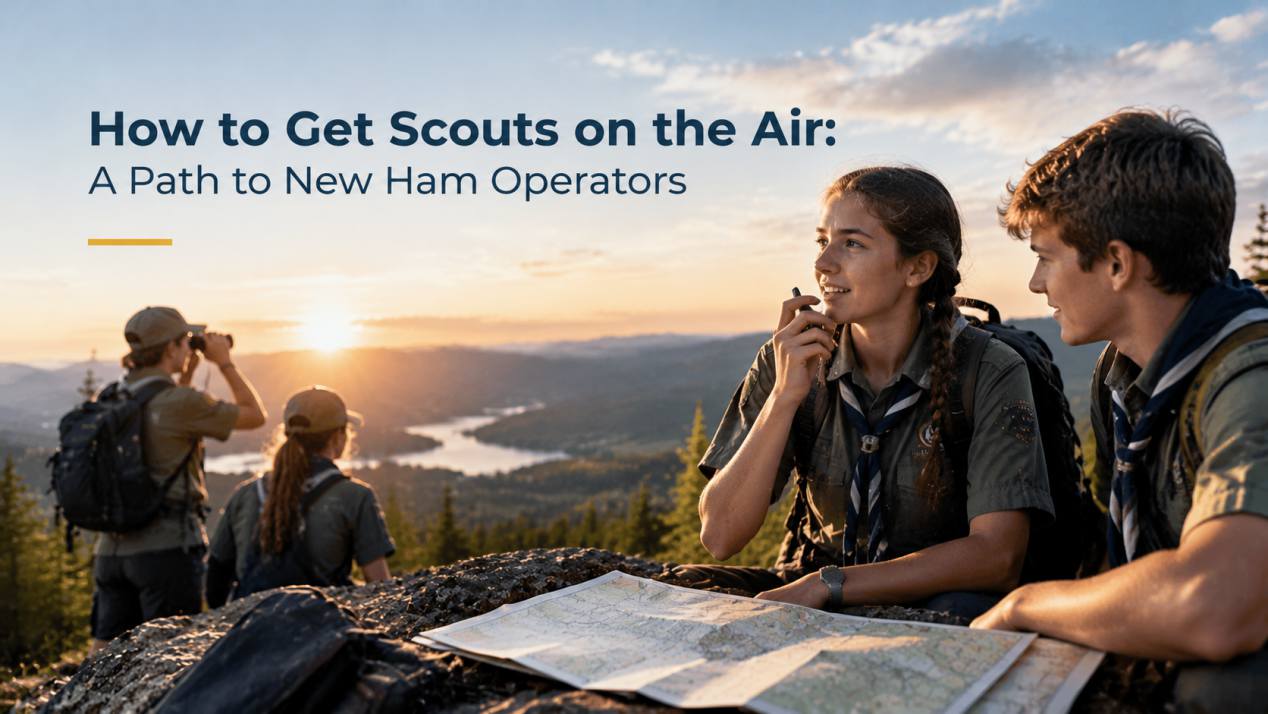
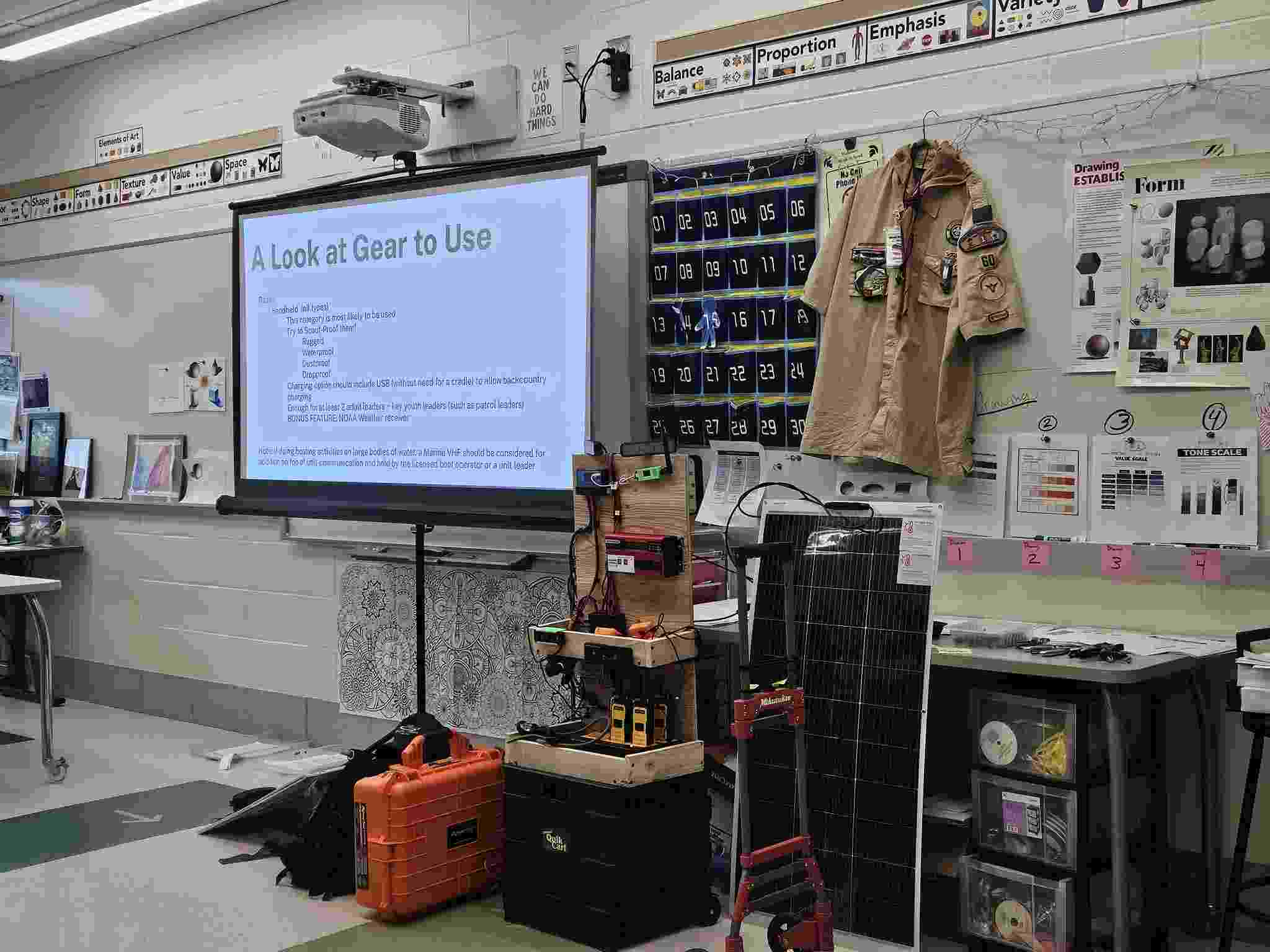
It has been a full hamfest season for David, KC1PEN. In August, he presented on foxhunting at the Northeast HamXposition in Massachusetts. In October, he ran two sessions at the Nutmeg Hamfest in Connecticut, one on foxhunting and one on bringing radios into scouting. In between, he helped lead a scouting event for almost 400 scouts and leaders, where 30 scouts completed the Radio Badge he ran.
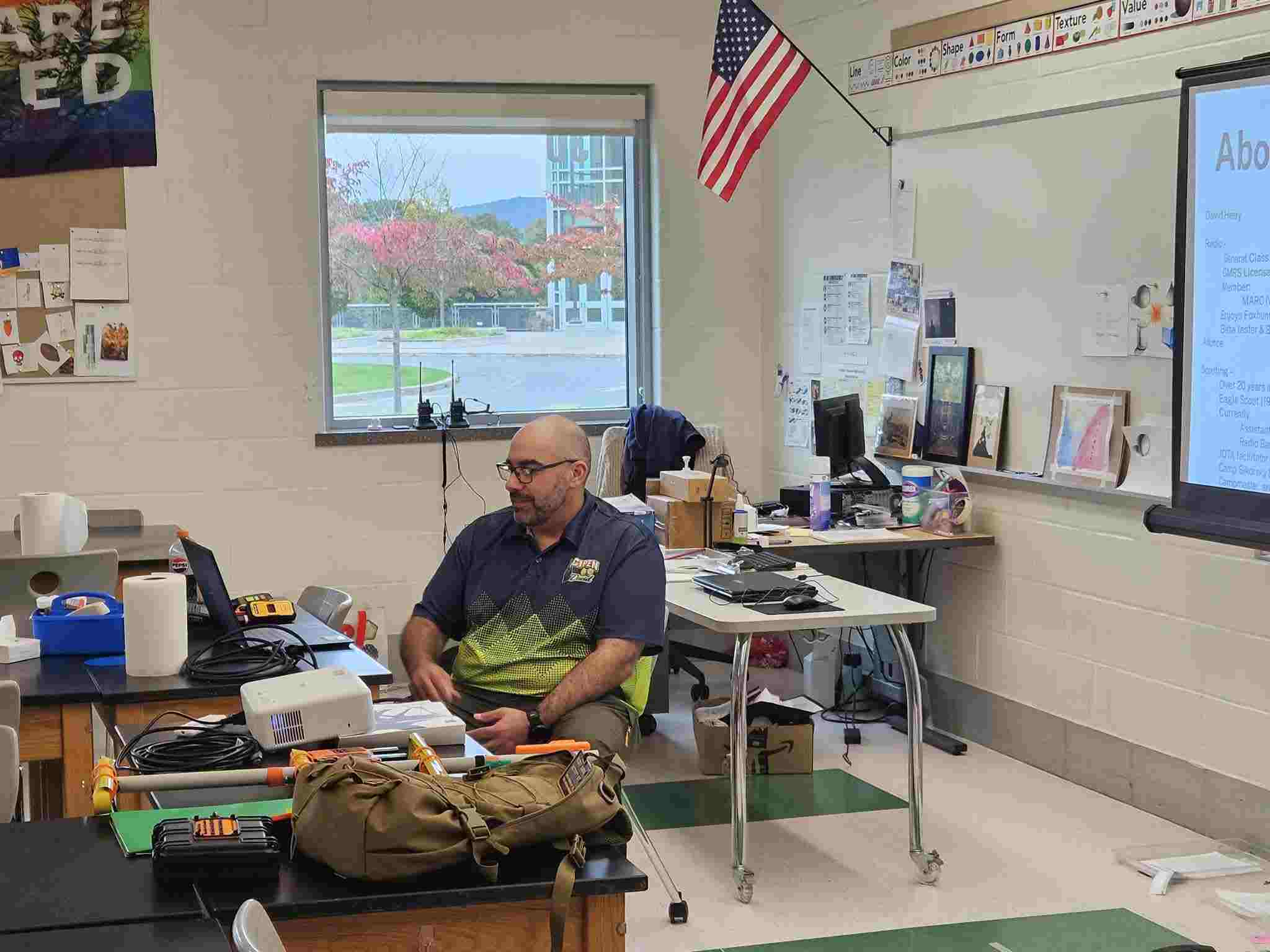
The same goal was already on display in June at HAM RADIO 2026 in Friedrichshafen, Germany, where HamCamp and the youth booth kept the next generation front and center. A fair can name the problem. Solving it takes the path David walks scouts through.
Look at his work with beginners, and four steps follow: make the first contact work, keep it fun, show how far it reaches, and leave the next step open.
Make the First Contact Work
Most kids don't start with a license. They start with one question: does this thing work? When they press PTT and hear someone answer, they want to keep going.
The Radio Badge gets them talking before any test. They make a contact first, and that's what makes them interested.
The radio matters here. David picks a scout radio for three simple reasons:
- It survives being dropped.
- A kid can use it without a menu lesson.
- It can charge again during a long day.
He picked the RB48A for this, a tough FRS radio that works right away. He also tried the RT22, EZTALK 5, HA1G, HA1UV, and HA2. He didn't want the most features. He wanted the ones a kid would actually use.
Keep It Fun with a Game
One good contact doesn't hold them for long. They need a reason to pick the radio up again.
That's where foxhunting comes in. Someone hides a transmitter in the woods and calls it the fox. Teams use their radios to find it. It's a direction-finding lesson, but it plays like a treasure hunt.
It works well for kids. They run outside, they work in teams, and the hunt ends with a real find. Several hams at the talks chose the RA79 for foxhunting, and some planned to turn one into the fox.
Show How Far It Reaches
Once they're having fun, show them the scale. A scout who has talked to one stranger can talk to the world.
That's JOTA-JOTI, Jamboree on the Air and Jamboree on the Internet. In 2026, it runs from October 16 to 18.
JOTA began in 1958, and JOTI joined in 1997. For the weekend, thousands of scouts talk to other scouts over radios and the internet. They meet kids their own age in countries they've never been to. The 2026 theme is "A peaceful and inclusive world."
For a scout who has already used a radio at a badge event, JOTA-JOTI isn't new. It's the same hobby, just bigger.
Leave the Next Step Open
Some kids want to know more. They ask how the signal works and what the radio can do next.
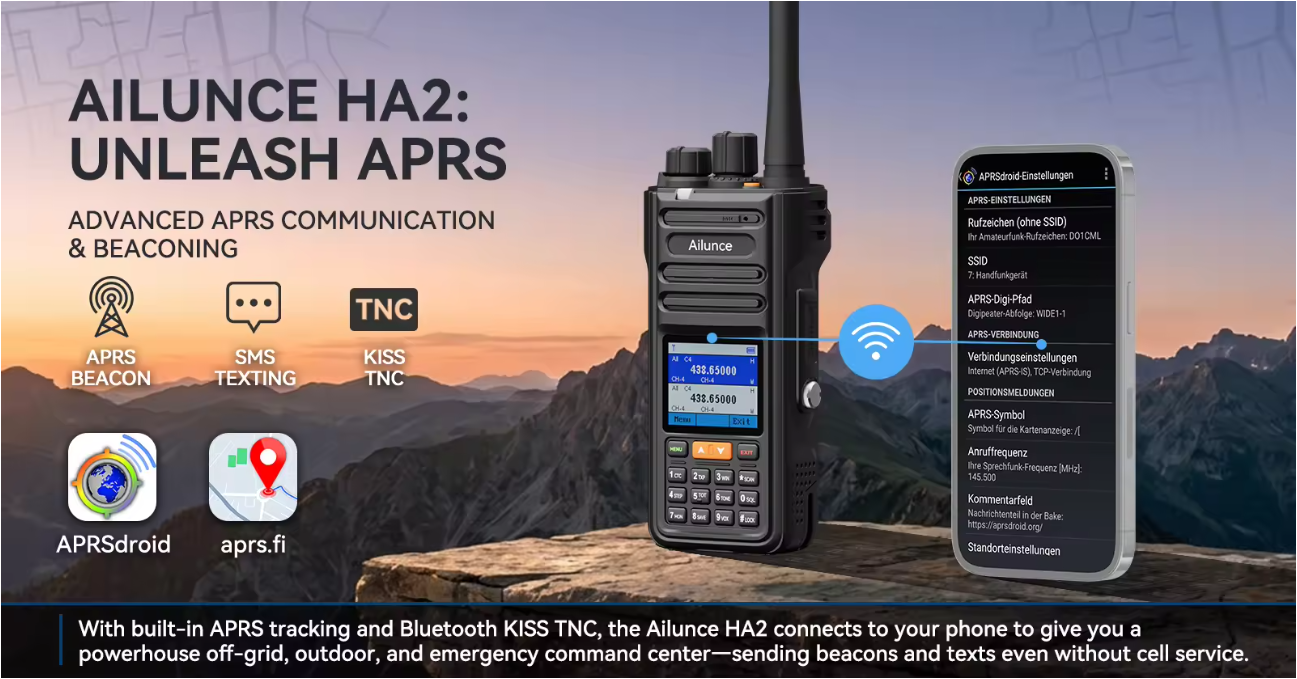
That's when a better radio helps, and later a license. The scout leaders who were already licensed liked the HA2, especially the APRS position sharing and messaging. The S-meter and RSSI on the HA1UV and HA2 stood out too. They show signal strength as a number, so kids can see how moving an antenna or changing position actually helps.
Don't hand a beginner a feature-heavy radio on day one. It gets in the way. Wait until they've made contacts, chased a fox, and heard the world. Then they know what to do with it.
Start with One Scout
There's no magic fix for a hobby that's getting older. There's just the order above, and David's season shows it working.
If you want the hobby here in 20 years, start with one scout. Make the first contact work, keep it fun, open up the world, and leave the next step open.
It always starts the same way. Hand them a radio, and make sure someone answers.