+86 15093323284 hams@ailunce.com




Hurricane Emergency Ham Radio Network Setup Guide
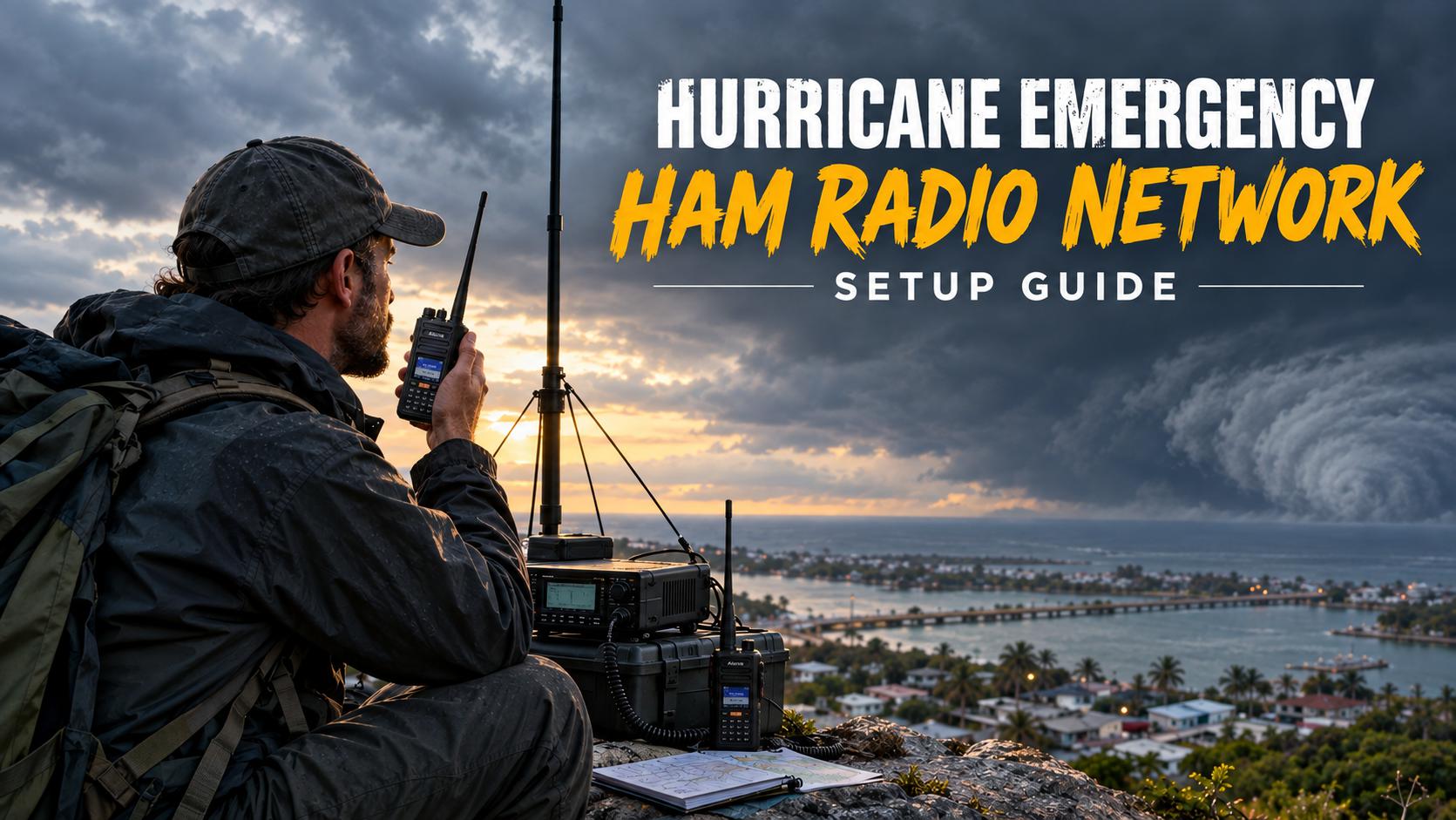
Hurricane Emergency Ham Radio Network Setup Guide
Hurricanes knock out cell towers. Flooded roads cut off power. Internet disappears just when shelters and emergency managers need it most. Amateur radio fills that gap. This guide walks through setting up a local emergency network for a small community or shelter.
The Basic Structure
A local emergency network has two layers.
The first layer is a repeater. A repeater sits on a high point, receives weak signals from handheld radios, and retransmits them at higher power. This turns a short-range handheld signal into coverage across a neighborhood or town.
The second layer is the handheld radios carried by operators at shelters, checkpoints, and mobile units. They talk through the repeater.
If the repeater fails, operators fall back to simplex — direct radio-to-radio contact with no repeater in the middle. Simplex range is shorter, but it works when nothing else does.
Equipment
Handheld radios
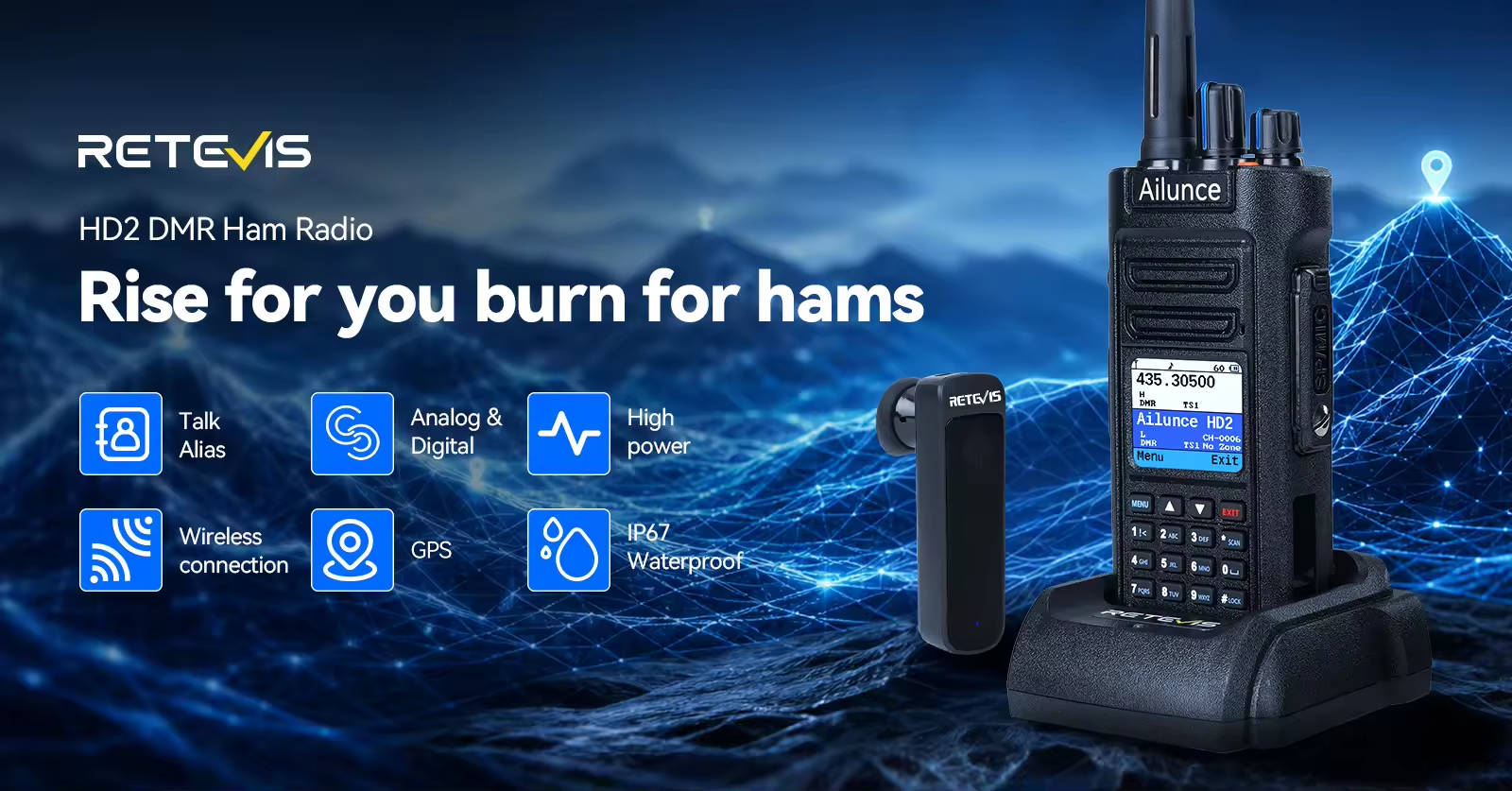
- Ailunce HD2: dual-band DMR and analog radio. Top orange button triggers emergency alarm, both local and remote. Works with digital and analog repeaters.
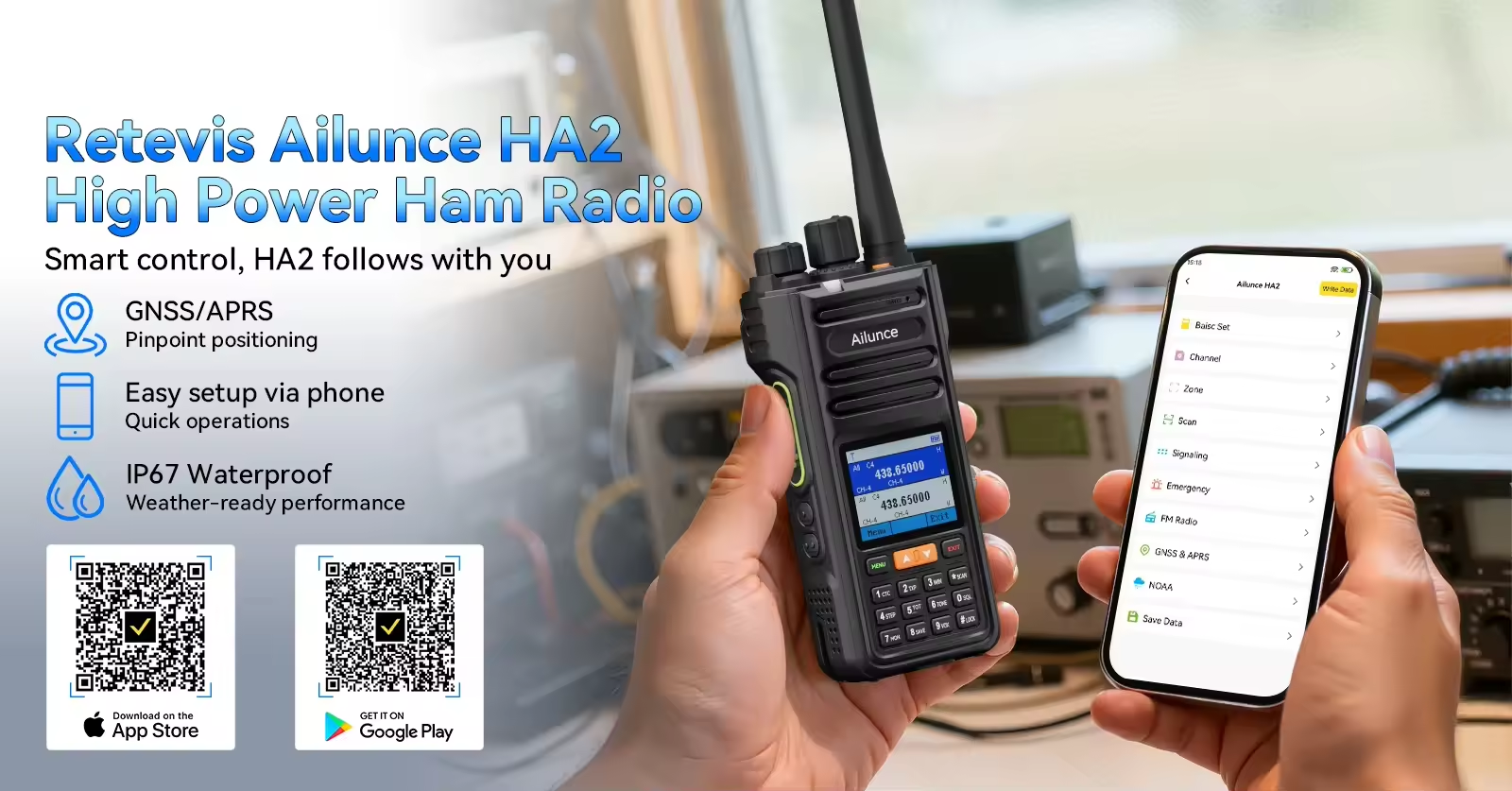
- Ailunce HA2: FM dual-band, IP67 weatherproof, built-in GPS and APRS, Bluetooth programming. The IP67 rating matters in wet storm conditions.
Portable repeater
- Retevis RT97: 10W analog repeater, available in UHF, VHF, and GMRS versions. Runs on 12V DC, LCD display. A single repeater covers one band — choose UHF or VHF based on your area's terrain and existing repeater network.
Mobile cross-band repeater
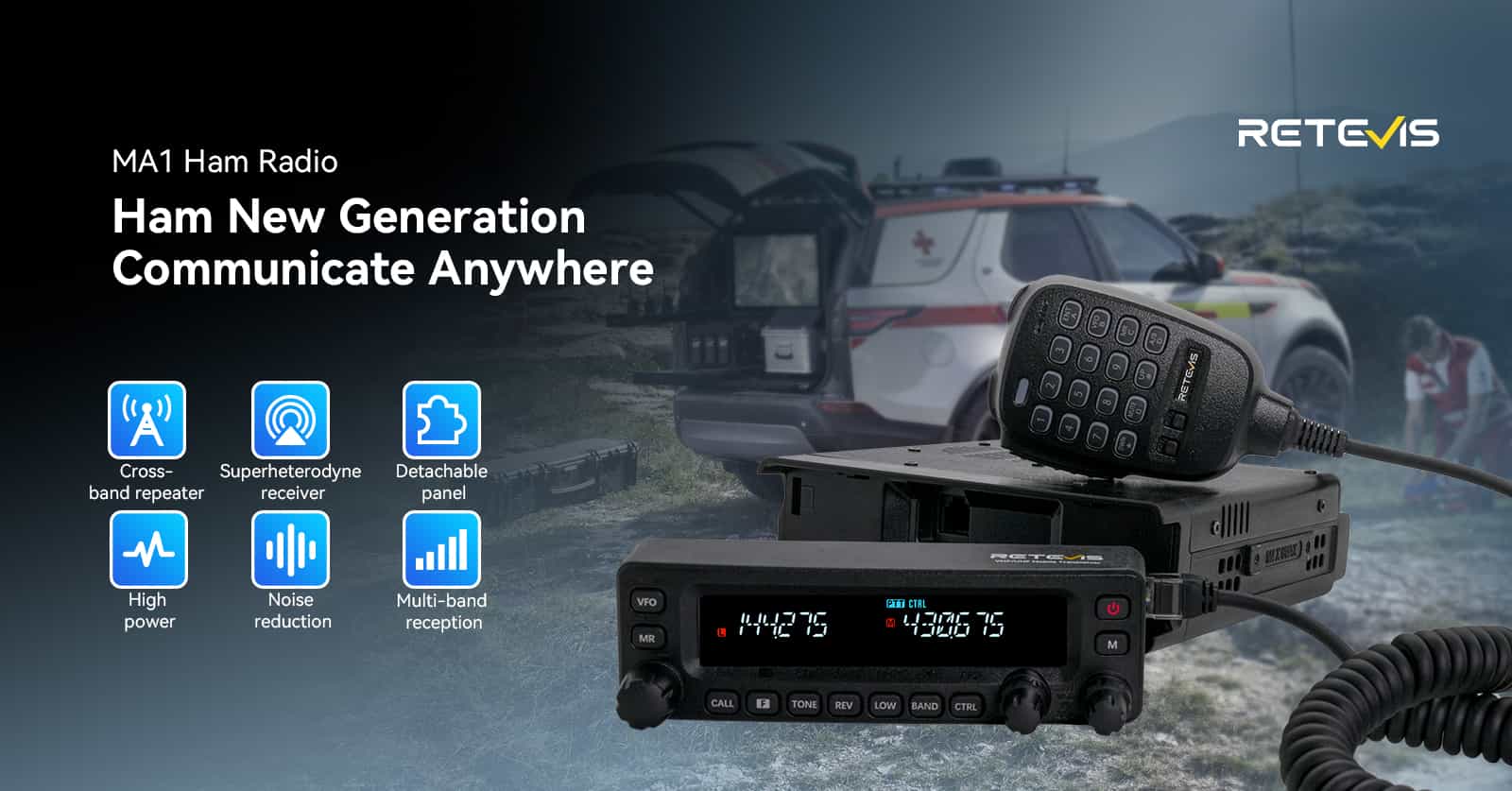
- Retevis MA1: VHF and UHF mobile radio with built-in cross-band repeater. Detachable front panel. Useful for extending handheld coverage from a vehicle or a fixed position.
Site Placement
Determine your coverage area first, then choose the location.
For an omnidirectional antenna, place the repeater at a high point near the center of the area you want to cover. Rooftops, water towers, and hills all work. The higher the antenna, the wider the coverage.
For a directional antenna aimed at a specific area — such as a shelter complex or a road corridor — place the repeater at a high point outside but close to the target area.
Keep the antenna away from metal structures, HVAC equipment, and other transmitters. These cause interference and reduce range. If you deploy on a rooftop, get permission from the building owner and secure the equipment against wind.
Power matters just as much. The Retevis RT97 runs on 12V DC. A car battery or a portable power station can run it for hours to days. A car battery or a portable power station can run it for hours to days. Bring enough battery capacity for your expected transmit time.
Deployment Steps
Follow this order.
- Choose the repeater location and set up the antenna. Connect the antenna cable to the repeater before applying power.
- Connect the repeater to a 12V power source and turn it on. Confirm the indicator lights show normal operation.
- Program the handheld radios with the repeater frequencies, offset, and access tone. Program at least one simplex channel as backup. In the United States, the 2m national simplex calling frequency is 146.520 MHz, and the 70cm national calling frequency is 446.000 MHz.
- Test coverage. Have an operator walk the perimeter of your intended area while transmitting through the repeater. Note dead zones and adjust the antenna position if needed.
- Assign roles. One operator serves as net control. Others are assigned to specific locations — shelter entrance, medical tent, mobile checkpoints. Each operator should know their call sign, assigned channel, and check-in schedule.
Basic Net Operation
ARES groups use a standard procedure for emergency nets, documented in the ARRL ARES Field Resource Manual and practiced by local ARES teams across the United States. You do not need to be an ARES member to follow it.
The net control station opens the net by calling on the repeater and stating the net name and purpose. After a short pause, the net control calls for check-ins.
Each operator transmits their call sign, location, and status. Operators with messages report the number of messages during check-in.
The net control then assigns an order for passing messages. Messages go one at a time. The receiving station confirms receipt by reading back the message or stating "Roger, message received."
The net control sets a regular check-in schedule — every hour or every two hours. Between check-ins, the frequency stays clear unless someone has emergency traffic. Emergency traffic always takes priority.
If the repeater fails, the net control announces a switch to the backup repeater frequency. If no backup repeater is available, the net moves to simplex. Operators should stay within simplex range of each other, or use the MA1 cross-band repeater from a vehicle to bridge gaps.
Before the Storm
Do not wait for the hurricane to arrive.
Program your radios now. Load local repeaters, simplex calling frequencies, and NOAA weather channels. Print a frequency list and keep it with each radio.
Test the repeater setup at least once before storm season. A practice deployment finds antenna problems, battery gaps, and programming errors that you do not want to discover during an actual emergency.
Join your local ARES or radio club. Many clubs maintain backup-powered repeaters and have working relationships with local emergency management. During a hurricane, these networks are already activated and ready to carry additional traffic.
Final Notes
A hurricane emergency network does not need to be complex. A portable repeater on a high point, a handful of programmed handhelds, and a basic net procedure will keep a community connected when cell service is gone. Start with the equipment you have, test it before the storm, and keep the procedure simple.