+86 15093323284 hams@ailunce.com




Hurricane Off-Grid: Complete Ham Radio Emergency Power Guide

- Sophie
- Ham Radio Emergency Power, Hurricane Off-Grid Communication, Amateur Radio Disaster Preparedness, Ham Radio Battery Guide, Solar Power for Ham Radios, LiFePO4 Ham Radio Setup, Ailunce HA2
When a hurricane strikes and the local grid goes dark, your ham radio emergency power system is the lifeline of your storm response. Many operators fall into the trap of stacking as many batteries as possible, yet ignore the unique challenges of hurricane scenarios: days of heavy cloud cover, flooded outdoor areas, cut-off fuel supplies, and massive power gaps between standby and transmit modes. A solid solution is never just about raw capacity — it’s about matching every part of your system to the harsh realities of storm season.
Why Standard Battery Setups Fail During Hurricanes
Uneven Power Draw Patterns
Ham radios draw 10 to 20 times more power when transmitting than when on standby. Calculating battery size based solely on peak transmit power wastes budget, while ignoring duty cycles leaves you without power mid-emergency.
Environment-Driven Capacity Loss
Cold temperatures that often come with hurricanes can reduce battery capacity by 20% or more. Cloudy skies also cut solar charging efficiency to just 10–25% of normal levels, wiping out expected recharge gains.
Limited Charging Access
After storms hit, gas stations usually lose power and run out of fuel. Fixed charging points may be flooded or unreachable, so you cannot count on topping up batteries during an event.
Calculate Your True Power Requirements Accurately
Hurricane-Specific Capacity Formula
Use this field-tested formula to properly size your ham radio emergency power: Total required capacity (Wh) = Average working current (A) × 12V × Daily runtime × Expected outage days × 1.3 safety buffer
The 1.3 safety buffer covers cold-related capacity loss, reduced solar input on cloudy days, and sudden high-power emergency transmissions. Always size your battery based on usable capacity, not advertised rating: lead-acid batteries only deliver 50% of their stated capacity, while LiFePO4 batteries safely provide 85%.
Power Draw Reference for Common 12V Gear
|
Equipment Type |
Standby Current |
Transmit Current (100W) |
Typical Emergency Duty Cycle |
|
VHF/UHF Handheld Radio |
0.5–1A |
8–12A |
90% receive / 10% transmit |
|
VHF/UHF Mobile/Base Station |
2–5A |
18–22A |
80% receive / 20% transmit |
|
HF Base Station |
3–6A |
20–25A |
70% receive / 30% transmit |
|
Digital Modes (Winlink, FT8) |
5–10A |
15–20A |
60% receive / 40% transmit |
Side-by-Side Comparison of 4 Emergency Power Sources
Different power types fit very different use cases. Mix and match based on your needs:
|
Power Source |
Usable Capacity Ratio |
Key Pros |
Key Cons |
Best Use Case |
|
AGM Lead-Acid Battery |
50% |
Low cost, stable high-current output |
Heavy, low energy density, slow charge |
Entry-level fixed base stations |
|
LiFePO4 Battery |
85–90% |
High energy density, long cycle life, steady voltage |
Higher upfront cost, requires BMS |
Mid to advanced fixed/mobile setups |
|
Portable Gas Generator |
Unlimited (with fuel) |
Continuous high power output |
Noisy, fuel-dependent, ventilation required |
Backup power for extended cloudy periods |
|
Solar Panel Array |
Dependent on sunlight |
Zero running cost, silent, sustainable |
Low output on cloudy days, high upfront cost |
Main charging for long-term off-grid use |
Tiered Ham Radio Emergency Power Configurations
Choose the tier that matches your response role and local hurricane risk:
|
Tier Level |
Primary Use Case |
Core Setup |
Supported Equipment & Runtime |
Budget Range |
|
Entry |
72-hour local community response |
50Ah AGM battery + 100W foldable solar panel + 10A charge controller |
1 handheld + 1 VHF base, 6 hours daily use, 3–4 days runtime |
$150–$250 |
|
Mid-Tier |
7-day regional cross-band comms |
100Ah LiFePO4 pack (with BMS) + 200W solar array + 20A MPPT controller |
1 HF station + 1 VHF base + digital terminal, 8 hours daily |
$400–$600 |
|
Professional |
14+ day emergency comms hub |
200–300Ah LiFePO4 bank + 400W fixed solar array + 2kW quiet generator (backup) |
2 HF + 2 VHF bases + relay gear, 24/7 operation |
$1000–$1800 |
Runtime Optimization: Boost Life by 30% Without Extra Batteries
You don’t need more batteries to get longer runtime. With hardware adjustments and smart operating habits, you can improve the effective runtime of your ham radio emergency power by roughly 30%.
Hardware Optimizations
Stick to an all-12V DC system to avoid 10–15% energy loss from inverter conversion. Upgrade to a +3dB gain antenna, which effectively cuts your required transmit power in half and reduces power use by 50% for the same communication range. Turn off non-essential features like backlights, built-in Bluetooth and GPS when not in use to cut idle drain. Use 12AWG or heavier power cables and keep the distance short between batteries and equipment to reduce line loss.
Operating Strategy Optimizations
Use graded power levels: run low power for local contacts, and only switch to full power for long-distance links. Coordinate scheduled contact windows with nearby partner stations, and switch to low-power standby between check-ins. For long-distance voice communication, prefer SSB mode over FM for lower power consumption. Keep batteries insulated from cold temperatures to prevent sudden capacity drop.
Rugged Handhelds to Complete Your Mobile Power Plan
Most ham radio emergency power planning focuses on fixed base stations, but mobile field operations like damage assessments, community patrols and forward deployment are just as critical during hurricanes. Handheld radios that work away from fixed charging points need solid battery life and rugged build to support frontline response.
Long Battery Life for Off-Grid Patrols
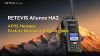
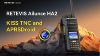
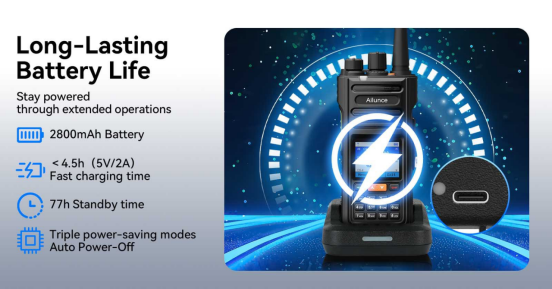
The Ailunce HA2 Bluetooth APP Programming Ham Radio fits seamlessly into hurricane response setups. Its 2800mAh battery paired with triple power-saving modes and auto power-off function delivers 77 hours of standby time — enough for three full days of patrol use without a charge. It also supports fast charging, so you can top up quickly from fragmented solar power sources common in storm recovery scenarios.
Built-In Weather Alerts for Proactive Planning
The US version of the HA2 comes with real-time NOAA weather alerts, delivering live storm updates to help operators adjust communication plans and power allocation strategies ahead of changing conditions.
IP67 Protection for Harsh Storm Environments
With full IP67 waterproof and dustproof rating, the HA2 withstands heavy rain, mud, and even immersion in 1 meter of water for 30 minutes. It works reliably in harsh outdoor conditions with no extra protective case needed for fast field deployment.
Final Thoughts
A reliable ham radio emergency power system for hurricanes is never just a pile of batteries. It’s a fully matched system from energy storage to terminal device, built for the specific challenges of storm season. By sizing capacity accurately, choosing the right power mix, optimizing efficiency, and pairing with rugged, power-efficient handhelds, you can keep your communication line open when the grid goes down.